Basement Waterproofing NJ and Foundation Crack Repair: What to Know
A damp basement rarely starts as a dramatic event. More often, it begins with a faint musty smell after a rainstorm, a dark line creeping up a wall, or a hairline crack that looked harmless a year ago and now catches your eye every time you walk past it. In New Jersey, those early signs matter. The combination of older housing stock, variable soil conditions, high seasonal groundwater, coastal exposure in some areas, and freeze-thaw cycles makes basements and foundations work hard for a living.
Homeowners often lump every water problem into one category, but basement waterproofing and foundation crack repair are not identical jobs. They overlap, and one can lead to the other, yet they solve different problems. One focuses on controlling water entry and moisture pressure. The other addresses structural or non-structural breaks in concrete or masonry. Knowing the difference helps you ask better questions, compare estimates more intelligently, and avoid paying for the wrong fix.
Why New Jersey basements have their own set of problems
A basement in northern New Jersey does not behave exactly like one near the shore, and neither behaves quite like a basement in central or south Jersey. Soil type alone changes the picture. Clay-heavy soil can hold water against the foundation and expand when saturated, which increases lateral pressure on foundation walls. Sandy soil drains better, but water can still find weak points around footings, wall penetrations, or cracks. Add snowmelt in late winter, heavy summer storms, older perimeter drains that may be partly clogged, and the result is familiar to many contractors who specialize in Basement Waterproofing NJ.
There is also the age of the housing stock. Plenty of homes were built before modern waterproofing membranes, drainage boards, and sump systems became common. Older stone, block, or poured concrete foundations can perform well for decades, but they were often built in a different era, with different standards and materials. Mortar joints age. Settlement happens. Exterior grading changes over time as landscaping is added, patios are installed, or driveway runoff gets redirected toward the house without anyone realizing it.
That is why basement water issues are rarely solved by one product alone. A dehumidifier can improve comfort, but it cannot relieve hydrostatic pressure. Paint-on sealers may hide staining, but they do not stop water pushing through a wall from the outside. Crack injection can be effective in the right situation, yet it will not correct a foundation wall that is bowing from sustained soil pressure. The right repair starts with identifying the real source of the problem.
What basement water is trying to tell you
Water usually leaves clues before it causes obvious damage. Efflorescence, that white chalky residue on masonry, is one of the classic signs. It means moisture has moved through the wall and left mineral deposits behind. Peeling paint, rust on metal shelving, warped base trim, soft drywall near the floor, and mildew odor all point in the same direction. If the floor feels humid even when there is no visible puddle, that still counts. A chronically damp basement can damage finishes, insulation, stored belongings, and indoor air quality long before standing water appears.
Sometimes the problem is surface water management. I have seen basements take in water because a single downspout discharged next to the foundation during a hard storm. In other cases, the grading looked fine from a distance, but a shallow depression along one wall funneled runoff exactly where it should not go. Those are relatively straightforward corrections. Other times, the signs indicate deeper issues, such as footing drain failure, rising groundwater, or water entering through a crack under pressure.
The pattern matters. If water appears only after long, soaking rain, exterior drainage may be the main culprit. If it shows up at the cove joint, where the wall meets the slab, hydrostatic pressure under the floor is often involved. If moisture is localized around one vertical crack, that crack may be the primary pathway. A good inspection does not just confirm that water exists. It maps where, when, and how it enters.
Not every crack means the same thing
One of the most common homeowner questions is simple and reasonable: is this crack serious? The answer depends on the crack’s size, shape, location, and behavior over time.
Hairline shrinkage cracks in poured concrete are common, especially in newer walls as concrete cures. Many are not structural. They https://martingpiy934.valoradigest.com/posts/basement-waterproofing-nj-techniques-that-work-in-flood-prone-areas can still leak, which is frustrating, but the repair may be relatively straightforward. Vertical cracks often fall into this category, though not always. Diagonal cracks can suggest settlement or differential movement, particularly near corners, windows, or points of concentrated load. Horizontal cracks deserve closer attention because they can indicate lateral soil pressure acting on the wall. Stair-step cracks in block or masonry foundations often reflect movement in the mortar joints or footing settlement.
Movement is the key issue. A narrow crack that has not changed in years is different from one that widens season to season, offsets from one side to the other, or leaks repeatedly. Doors sticking upstairs, sloping floors, separated trim, or visible bowing in the wall add context. Foundation crack repair is not just about filling a gap. It is about understanding why the crack formed and whether the wall is still moving.
The difference between waterproofing and crack repair
Homeowners are often presented with estimates that sound similar but solve different pieces of the puzzle. That creates confusion. Basement Waterproofing NJ services can include exterior excavation and membrane installation, interior drainage channels, sump pump systems, vapor barriers, dehumidification strategies, and drainage improvements. Foundation crack repair can include epoxy injection, polyurethane injection, carbon fiber reinforcement, wall anchors, helical piers, underpinning, or masonry repointing, depending on the cause.
Here is the practical distinction. Waterproofing controls water. Crack repair restores or reinforces the wall, depending on the crack type. In many homes, both are needed. A leaking but otherwise stable poured concrete crack may need injection to stop water entry. A bowing block wall may need structural reinforcement, and the site may still need drainage improvements so the pressure does not continue. A basement can be dry for a while after an interior drainage system is installed, but if a structural crack continues to move unchecked, that dry condition may not last.
The best contractors explain this clearly. They do not sell every basement the same package. They tell you whether the issue is cosmetic, moisture-related, drainage-related, or structural, and they explain how those categories overlap.
How professionals diagnose the problem
A useful inspection is part detective work, part building science. It starts outside more often than homeowners expect. Roof drainage, gutter discharge, grading, hardscape pitch, window wells, and the condition of exterior waterproofing all matter. Inside, the inspector should look for the exact points of water entry, the condition of the slab and cove joint, the type of foundation wall, and signs of movement.
Measurements help. Crack width, wall plumbness, moisture readings, and in some cases a record of whether cracks are active can shape the recommendation. Photos taken across seasons can be surprisingly helpful. If a crack seems larger after winter, or if seepage only appears in spring thaw, that suggests a pattern worth considering.
A thoughtful contractor will also ask how you use the basement. A utility basement with exposed walls has a different tolerance for moisture than a finished family room, home office, or guest suite. The stakes change when drywall, flooring, and furniture are involved. So does the repair strategy. It is one thing to manage occasional seepage in an unfinished storage area. It is another to create reliable dryness in a finished lower level where even minor humidity swings can damage materials.
Common repair methods and when they make sense
The most effective repairs match the failure mechanism. That sounds technical, but the logic is simple. Fix the cause, not just the symptom.
For many poured concrete wall cracks that leak but are not structurally compromised, polyurethane injection is common because it expands into the crack path and blocks water. Epoxy injection is often used when structural bonding is desired in a stable crack. They are not interchangeable in every case. If the wall is moving, a rigid epoxy alone may not be the right choice. If the crack branches or stays wet, the installer’s judgment matters a lot.
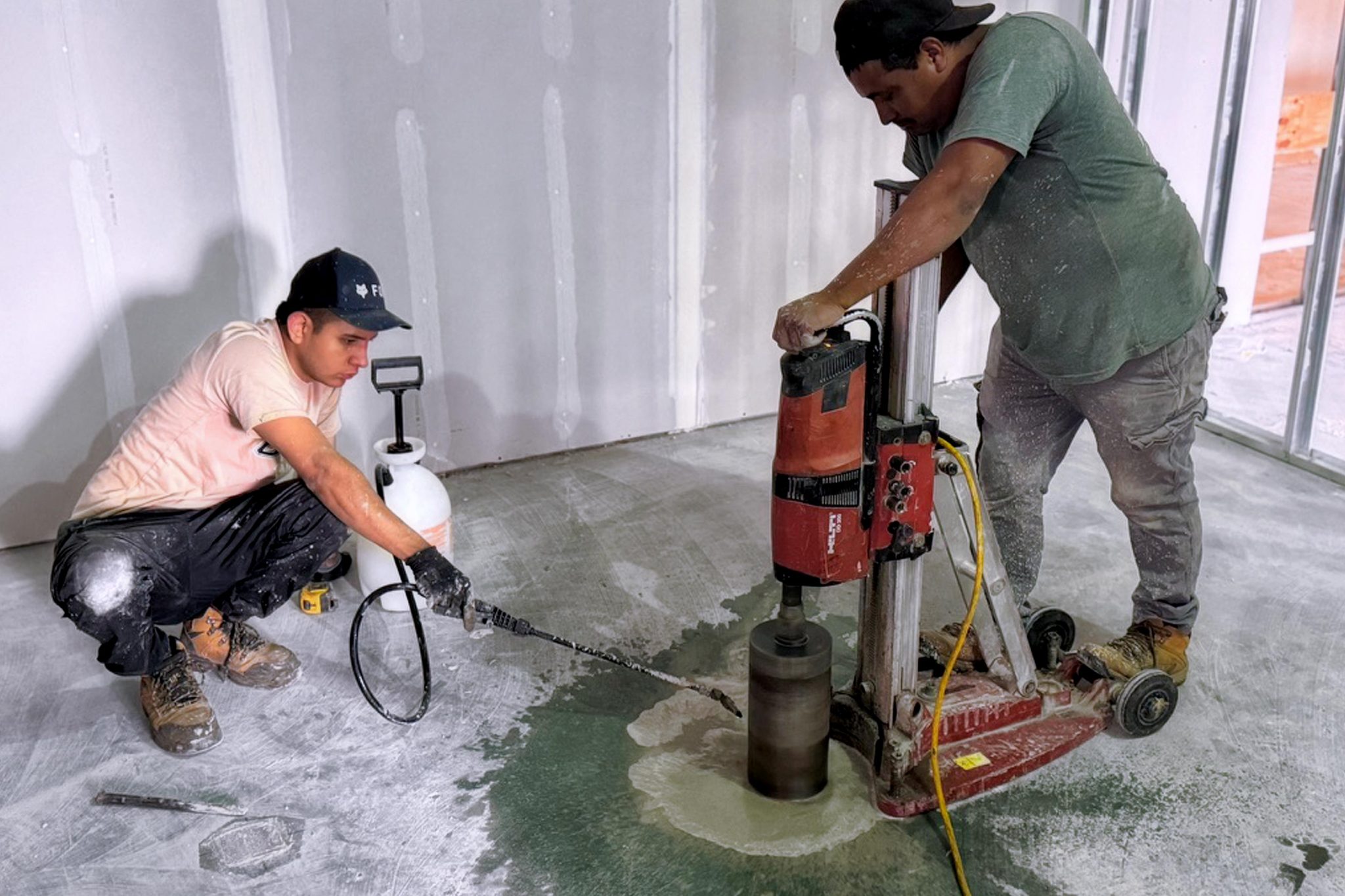
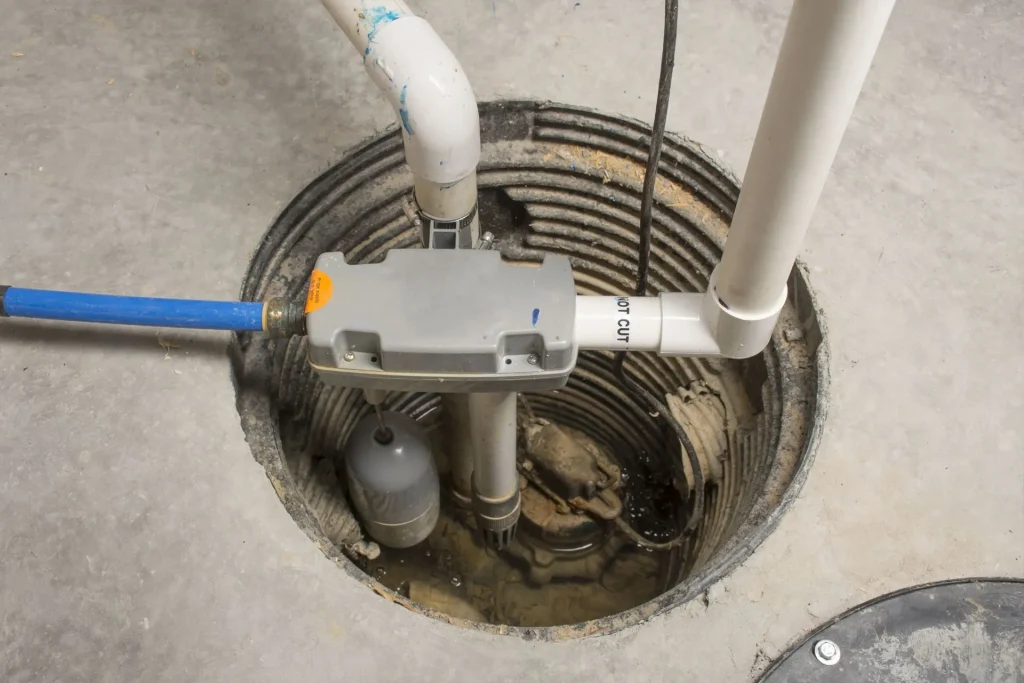
Interior drainage systems are often recommended when water enters along the wall-floor joint or under the slab. These systems collect incoming water and direct it to a sump pump for discharge away from the foundation. They do not stop water from reaching the foundation wall from the outside, but they can manage it very effectively inside. When paired with a reliable sump pump, proper discharge line routing, and battery backup, they are often a practical answer in New Jersey homes with persistent groundwater issues.
Exterior waterproofing is more invasive and usually more expensive, but in some situations it is the better long-term approach. Excavating to the foundation wall allows installation of waterproof membranes, drainage boards, and footing drain improvements. This can be especially useful where exterior wall deterioration is advanced or where interior-only systems would not adequately protect the wall assembly.
Structural repairs vary more widely. Carbon fiber straps may be appropriate for certain walls with limited inward movement. Wall anchors or braces may be needed when bowing is more advanced. Settlement-related cracks sometimes call for underpinning or pier systems to stabilize the foundation. Masonry foundations may need repointing and localized rebuilding. There is no honest one-size-fits-all answer here.
What a homeowner can check before calling a contractor
You do not need to diagnose the whole problem yourself, but a few simple observations can make the site visit more productive.
- Note where water appears, including wall cracks, floor joints, around pipes, or under windows.
- Pay attention to timing, especially whether it follows heavy rain, snowmelt, or long wet periods.
- Check gutters, downspouts, and discharge distance from the house.
- Photograph cracks and include a coin or tape measure for scale.
- Look outside for settled soil, negative grading, or puddling near the foundation.
That short record often saves time. It also helps if you are comparing multiple opinions, because you can describe the same symptoms to each contractor.
Cost expectations without false precision
Homeowners understandably want numbers. The trouble is that basement and foundation work has a wide cost range because access, wall type, extent of damage, water volume, and finish conditions all change the scope. A single injected crack can cost dramatically less than a full perimeter drainage system. Exterior excavation along one wall is not priced like excavation around an entire house. Structural stabilization involving anchors or piers is in a different category from a non-structural seepage repair.
The smartest way to think about cost is in layers. First is diagnosis. Second is immediate risk reduction. Third is long-term correction. Sometimes the cheapest estimate is low because it addresses only the visible symptom. That can be false economy. A homeowner might pay for crack injection this year, then install drainage next year when the same wall leaks elsewhere, then face reinforcement later because the underlying pressure issue was never addressed. On the other hand, the highest bid is not automatically the most complete or appropriate. Some contractors oversell major systems for problems that could be corrected with targeted drainage improvements and localized repair.
Ask what the proposal is intended to achieve. Is it stopping active leakage, reducing humidity, stabilizing wall movement, or all three? Ask what conditions would make the contractor recommend a different level of intervention. The best answers tend to be specific and conditional, not vague promises.
Red flags when comparing contractors
Basement and foundation work attracts both highly skilled specialists and aggressive sales operations. The gap between them can be substantial. You are not just buying materials. You are buying judgment, installation quality, and a repair philosophy.
Watch for proposals that skip diagnosis and jump straight to a standard package. Be cautious if a contractor dismisses visible wall movement without explanation, or if they guarantee a finished basement will stay perfectly dry while ignoring exterior water management. Pay attention to whether they explain the limits of the method they are recommending. Every repair has limits. That is not a weakness. It is honesty.
A reliable contractor should be comfortable discussing what they found, why they believe water is entering, whether the crack appears active, and what signs would warrant further structural evaluation. They should also be clear about maintenance. Sump pumps need service. Discharge lines can clog or freeze. Exterior grading changes over time. Waterproofing is not magic. It is a system.
The role of permits and engineering
Not every waterproofing job requires the same level of permitting, and not every crack needs an engineer. But some situations absolutely justify additional oversight. Significant wall bowing, foundation settlement, wide or actively growing cracks, and repairs involving underpinning or major structural reinforcement often benefit from a structural engineer’s assessment. That can protect the homeowner as much as the contractor. It establishes a clear basis for the repair and creates a record of existing conditions.
Permits matter because foundation work can affect safety, drainage, and resale. If a contractor brushes off permit requirements without a solid explanation, ask more questions. In many municipalities, code expectations differ, and local knowledge is valuable. New Jersey is not one market in practice. Conditions and enforcement can vary from town to town.
Finished basements raise the stakes
Once a basement is insulated, drywalled, painted, and furnished, moisture problems become more expensive and more disruptive. I have seen finished spaces with beautiful flooring installed over a slab that still had a water pathway at the perimeter. The room looked complete until one storm revealed the weakness. By the time the carpet pad was wet and the drywall wicked moisture upward, a relatively manageable water issue had become a restoration claim.
That is why the right sequence matters. If you are planning to finish a basement, resolve water entry and humidity control first. Not partially, fully enough that the intended use of the space is realistic. In many homes, that means combining drainage control, crack repair if needed, sump protection, and a dehumidification plan. Moisture-resistant materials also help. Even a well-protected basement benefits from prudent material choices at the lower portion of walls and floors.
Maintenance after the repair
Even a strong repair system benefits from routine attention. Homeowners sometimes assume the project ends when the crew leaves. In reality, the house still changes with the seasons.
A practical maintenance routine includes checking gutters and downspouts several times a year, keeping discharge lines clear, confirming sump pumps cycle properly, and watching for new or changing cracks. If the property has exterior drains, window wells, or retaining areas that collect debris, those need occasional cleaning too. Landscaping should not build soil or mulch up against siding or foundation transitions. Small changes in drainage can quietly undo good work over time.
Here are the maintenance points that matter most in typical New Jersey homes:
- Test the sump pump and backup system before storm season.
- Extend and clear downspout discharge so water leaves the foundation area.
- Recheck any repaired crack for movement or new seepage after major weather events.
- Maintain positive grading as soil settles around the house.
- Control basement humidity with ventilation or dehumidification as needed.
None of that is burdensome, but it does require consistency.
When to act quickly
Some basement issues can be scheduled. Others should move up the list. If you see a horizontal crack, measurable wall bowing, repeated water intrusion, mold growth tied to chronic dampness, or cracks that appear to widen noticeably, do not let the problem drift. The same applies if the basement has become part of your living space or if valuable mechanical systems sit in the path of water.
A small crack with occasional seepage may remain manageable for quite a while, but waiting still has a cost. Moisture problems tend to spread into adjacent materials. Structural movement tends to make simple repairs less simple. What might have been a targeted crack repair can turn into a broader waterproofing and restoration project after one bad season.
What good decision-making looks like
The homeowners who navigate these projects well usually do three things. They document symptoms instead of relying on memory. They seek explanations, not just prices. And they separate cosmetic comfort from structural necessity. That last point matters. A basement does not need to look alarming to have a significant water path, and a visible crack does not always mean imminent danger. Judgment lives in the details.
For anyone evaluating Basement Waterproofing NJ services or considering foundation crack repair, the goal is not to find the fastest sales pitch. It is to understand the house well enough to choose the repair that fits its actual conditions. Water has a way of exposing weak assumptions. The right contractor, and the right scope of work, should replace those assumptions with evidence.
A dry basement and a stable foundation are not luxury items in New Jersey. They protect the structure, preserve indoor air quality, support resale value, and make lower-level space far more usable. When the diagnosis is careful and the repair is matched to the cause, these projects do exactly what they should. They solve the problem at its source, and they keep a manageable issue from turning into a much larger one.
ARD Waterproofing
Address: 98 Smull Ave, West Caldwell, NJ 07006
Phone number: +12016465936
FAQ About Basement Waterproofing NJ
What is the best waterproofing method for a basement?
The best overall approach to waterproofing a basement is a combined exterior and interior system that stops water at the foundation wall and safely manages any moisture that gets through.
What is the average cost to waterproof a basement?
The average cost to waterproof a basement ranges from $2,500 to $15,000, with most homeowners paying around $5,200 for a complete project.
Can a basement be waterproofed from the inside?
Yes, a basement can be waterproofed from the inside, and it is often the most affordable and least disruptive method.